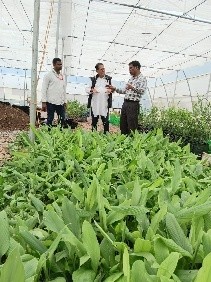
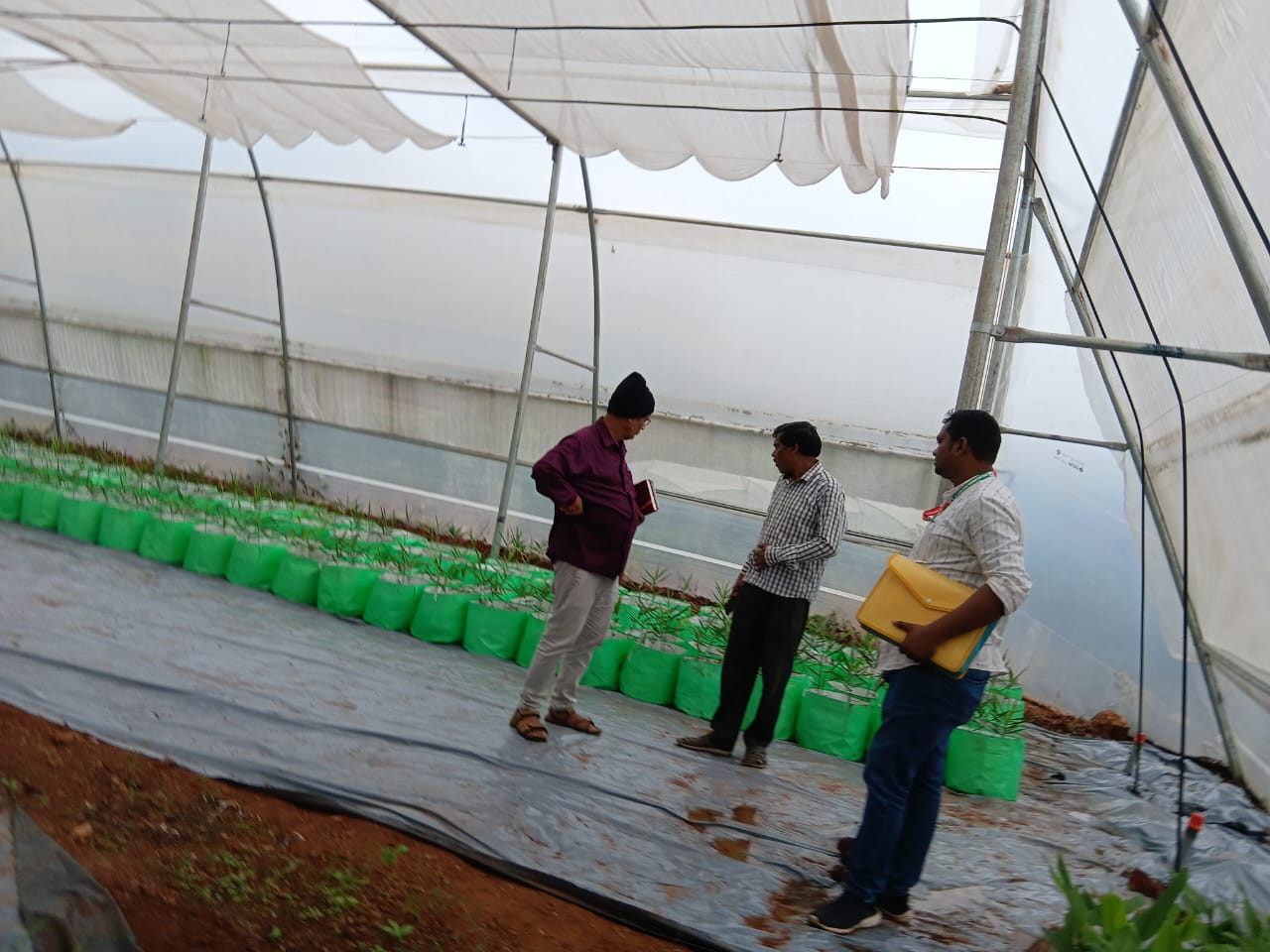
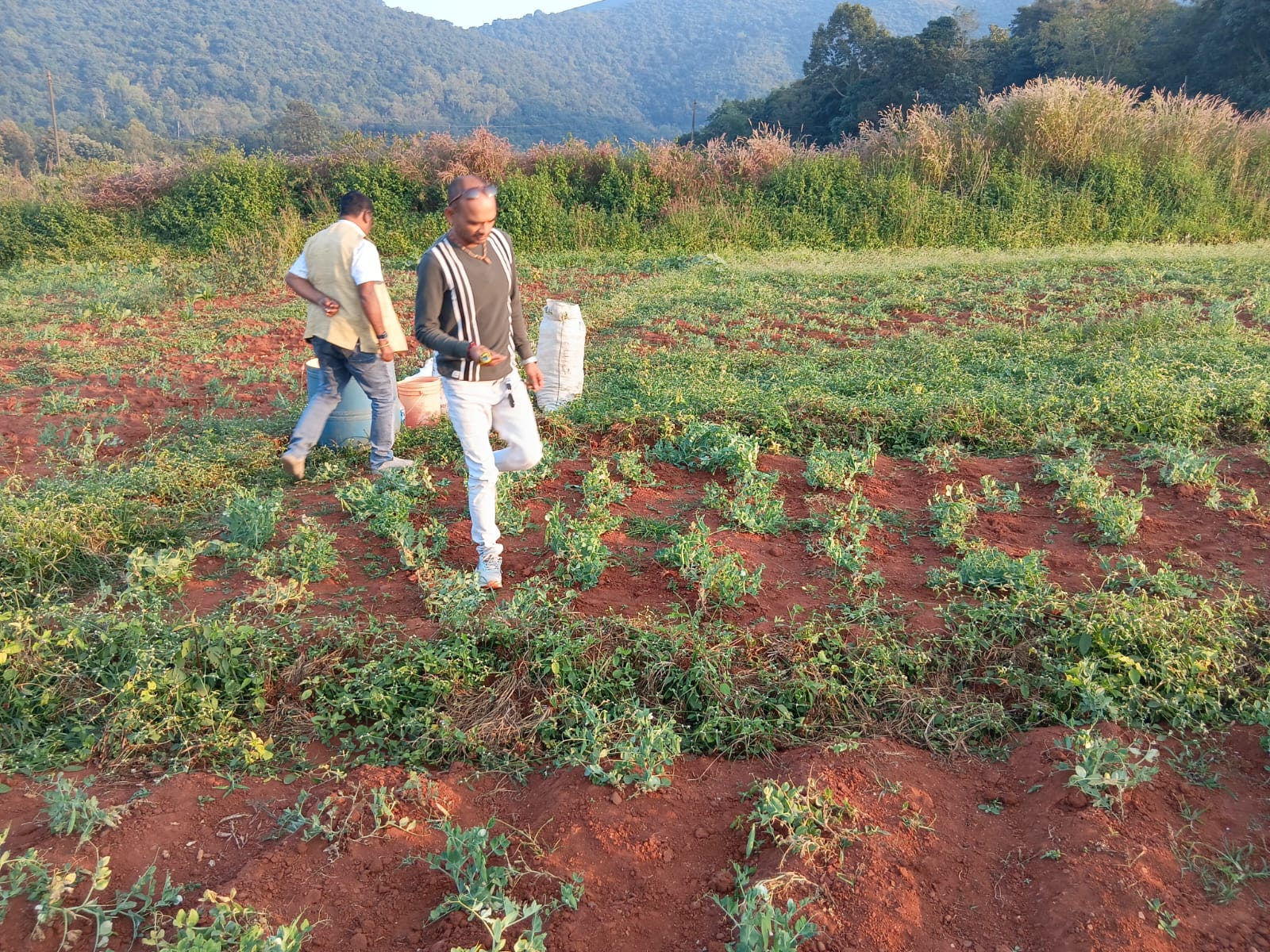
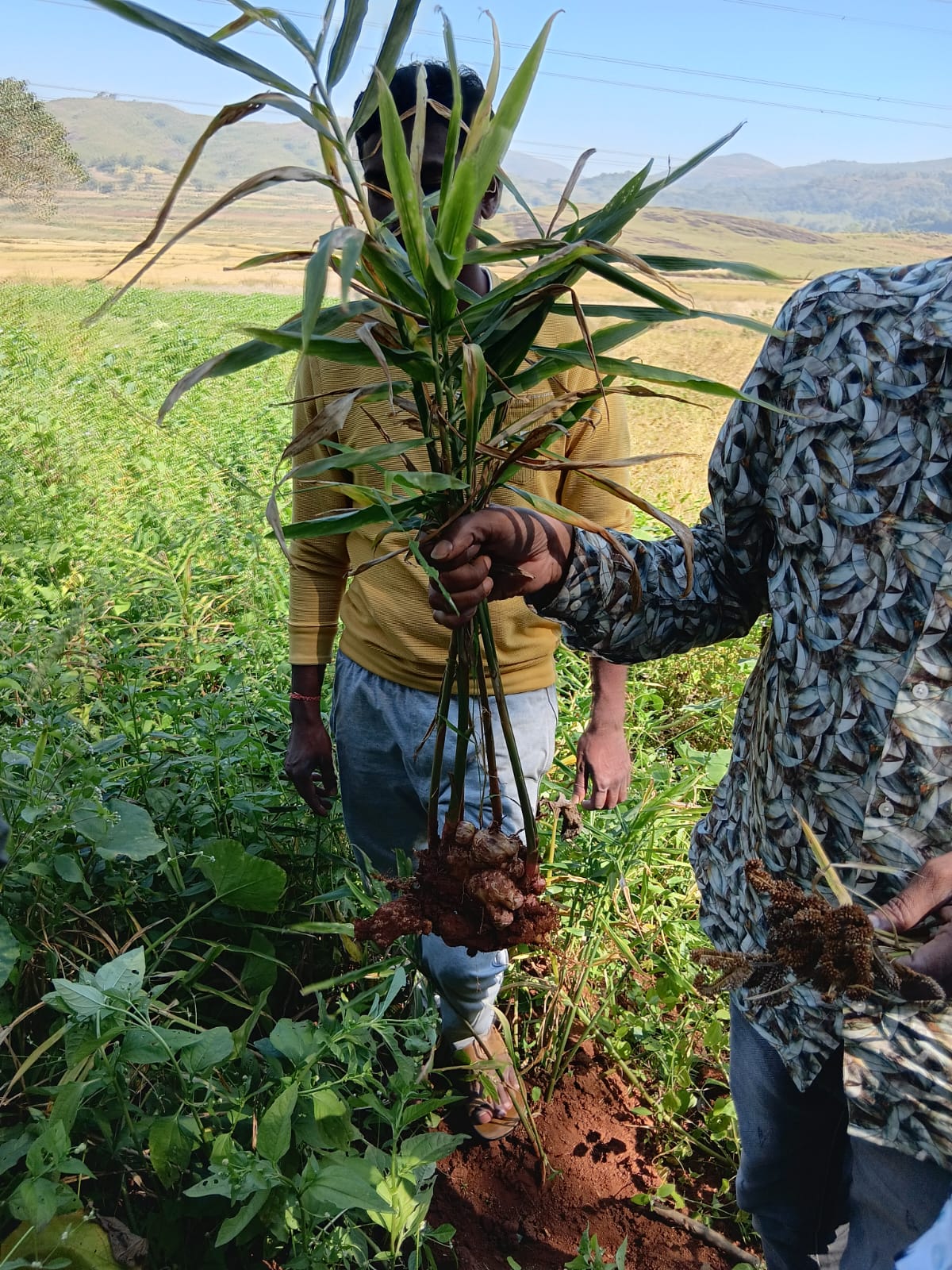
Case Study
Koraput • Malkangiri • Rayagada • Nabarangpur, Odisha
Visiting Team & Delegation
Mr. Ramesh Chandra Samal (Sr. Advisor)-MCIF
Mrs. Chinmayee Das (Managing Director-cum-Secretary)-MCIF
Mr. Manoj Kumar Das (Director-cum-President)-MCIF
Field Report & Case Study Document Details
Background
The tribal-dominated districts of Koraput, Malkangiri, Rayagada and Nabarangpur have significant potential for agriculture-based entrepreneurship. Tribal farmers and rural producers are engaged in the cultivation and collection of products such as organic ginger, turmeric, black rice, millets, maize and other traditional, medicinal and forest-based agricultural products.
Many of these products have the potential to reach premium markets in Odisha, other parts of India and international markets.
However, a major challenge is that many tribal farmers and small producers operate individually and have limited knowledge about formal business registration, enterprise development, branding, packaging, market linkage, digital commerce, government schemes and export opportunities.
As a result, producers may sell their products as raw commodities at comparatively low prices, while a larger portion of the value is generated later through processing, branding, packaging, distribution and marketing.
MCIF proposes an Exposure Visit & Case Study Programme to bridge this knowledge and market gap.
Programme Concept
The programme will take selected tribal farmers, SHGs, FPO members, rural entrepreneurs and aspiring entrepreneurs on structured exposure visits to successful enterprises, processing units, MSMEs, start-ups, FPOs, farmer-producer businesses, marketplaces and relevant institutions.
The participants will study practical examples of how agricultural products can be transformed from:
TRIBAL FARM → FARMER GROUP → REGISTRATION → PROCESSING → BRANDING → PACKAGING → MARKET LINKAGE → E-COMMERCE → NATIONAL MARKET → EXPORT MARKET
The exposure visits will be supported by case studies, expert sessions, practical demonstrations and business guidance.
Key Objectives
A. Entrepreneurship Awareness
To create awareness among tribal farmers and rural youth about converting agricultural activities into sustainable businesses.
B. Company & Enterprise Registration Awareness
To explain, in simple language, the purpose and process of:
• Proprietorship
• Partnership
• LLP
• Private Limited Company
• Producer Company
• Section 8 Company, where relevant
• Cooperative/FPO structures
C. MSME Awareness
Participants will be introduced to Udyam/MSME registration, including:
• What is MSME?
• Who can register?
• How to register
• Documentation required
• Benefits and business advantages
• Government procurement opportunities
• Credit and financial-support ecosystem
• Formalization of rural businesses
D. Startup India Awareness
The programme will explain:
• What is Startup India?
• Who can become a startup?
• Startup recognition
• Basic eligibility
• Registration process
• Benefits of recognized startups
• Innovation and technology opportunities
• Incubation and mentoring
• Funding ecosystem
• Market access opportunities
E. Start-up Odisha Awareness
Participants will also be introduced to the Startup Odisha ecosystem, including available support mechanisms, incubation, mentoring, networking and entrepreneurship opportunities applicable to eligible enterprises.
F. National Market Development
Participants will learn how to move from local selling to:
Odisha Market → Eastern India → National Market
Through:
• Professional branding
• Better packaging
• Product standardization
• Digital marketing
• B2B sales
• Institutional buyers
• Online marketplaces
• Trade fairs and exhibitions
G. International Market Awareness
The programme will introduce suitable participants to the basic export ecosystem, including:
• Export readiness
• Product quality
• Packaging and labelling
• Buyer identification
• Export documentation
• IEC and related requirements
• International standards
• Logistics
• Export-market research
• International buyer/seller platforms
Actual export requirements will depend on the product, destination country and applicable regulations.
Proposed Exposure Visit Components
Each exposure visit may include the following:
1. Successful Farmer/Entrepreneur Visit
Visit to a successful agricultural entrepreneur or farmer group.
2. FPO/Producer Company Visit
Understanding how individual farmers can come together and create collective market strength.
3. Processing Unit Visit
Practical understanding of:
• Cleaning
• Grading
• Processing
• Drying
• Milling
• Value addition
• Storage
4. Packaging & Branding Visit
Participants will observe:
• Product packaging
• Labelling
• Brand development
• Barcode/QR-code applications
• Product presentation
5. MSME/Startup Enterprise Visit
Participants will study how a small rural enterprise developed into a formal business.
6. Market Visit
Exposure to:
• Wholesale markets
• Retail markets
• Institutional buyers
• Modern retail
• E-commerce
• B2B markets
7. Government/Institutional Interaction
Interaction sessions may be organised with relevant departments/institutions dealing with:
• MSME
• Industries
• Agriculture
• Horticulture
• Tribal development
• Skill development
• Startup ecosystem
• Export promotion
Proposed Case Study Themes
MCIF will prepare practical case studies based on successful enterprises.
Case Study 01 – Ginger
From Tribal Farmer to Value-Added Ginger Enterprise
Study areas:
• Cultivation
• Collection
• Grading
• Processing
• Dry ginger
• Ginger powder
• Packaging
• Branding
• Market linkage
• Export potential
Case Study 02 – Turmeric
From Traditional Turmeric Cultivation to Branded Value-Added Product
Study:
Farm → Processing → Powder → Packaging → Branding → Retail → B2B → Export
Case Study 03 – Millet
From Traditional Tribal Food to Modern Health & Nutrition Product
Potential products:
• Millet flour
• Ready-to-cook products
• Snacks
• Breakfast products
• Health-food products
Case Study 04 – Black Rice
From Traditional Crop to Premium Market Product
Study:
• Production
• Cleaning
• Grading
• Packaging
• Branding
• Premium positioning
• Online sales
Case Study 05 – Maize
From Commodity Selling to Value-Added Enterprise
Study opportunities for processing, food products, feed-related markets and institutional buyers.
Case Study 06 – Tribal Women Entrepreneurship
Study how SHGs and women entrepreneurs can develop:
Group Production → Enterprise Registration → Brand → Packaging → Market → Income Generation
Four-District Implementation Model
Koraput :- Ginger, turmeric, millet, black rice, tribal entrepreneurship
Malkangiri :- Organic agriculture, millet, maize, tribal products, FPO/SHG entrepreneurship
Rayagada :- Ginger, turmeric, millet, forest/agri products, women entrepreneurship
Nabarangpur :- Maize, millet, turmeric, agricultural value addition and rural enterprise
The exact commodities and villages should be finalised through a baseline assessment.
Target Participants
The programme may target:
• Tribal farmers
• Small and marginal farmers
• Women farmers
• SHGs
• FPO/FPC members
• Rural youth
• Tribal entrepreneurs
• Agricultural producers
• Food-processing entrepreneurs
• Village-level businesses
• Aspiring entrepreneurs
• Students/youth interested in entrepreneurship
Proposed Pilot
25 participants × 4 districts = 100 beneficiaries
A larger programme can subsequently be expanded to 250, 500 or 1,000 participants.
Proposed Exposure Visit Structure
Phase I – Pre-Exposure Orientation
1 Day
Topics:
• Entrepreneurship basics
• Business registration
• MSME
• Startup India
• Startup Odisha
• FPO/Producer Company
• Branding
• Packaging
• Market opportunities
Phase II – Exposure Visit
2–3 Days
Participants visit selected:
• Successful enterprises
• Processing units
• FPOs
• MSMEs
• Startups
• Markets
• Incubators/institutions
Phase III – Case Study Documentation
MCIF team documents:
• Entrepreneur profile
• Business model
• Investment
• Production
• Processing
• Branding
• Marketing
• Revenue model
• Challenges
• Success factors
• Lessons for tribal entrepreneurs
Phase IV – Business Clinic
Participants receive practical guidance to develop their own business plans.
Phase V – Market Linkage
Potential entrepreneurs are connected with appropriate:
• Buyers
• Processors
• Distributors
• Retailers
• E-commerce channels
• Institutional markets
• Export-support ecosystem
Proposed Learning Modules
Module 1
From Farmer to Entrepreneur
Module 2
How to Select the Right Business Structure
Module 3
MSME/Udyam Registration
Module 4
Startup India
Module 5
Startup Odisha
Module 6
FPO/Producer Company & Collective Entrepreneurship
Module 7
Food Processing & Value Addition
Module 8
Branding & Packaging
Module 9
Digital Marketing & E-Commerce
Module 10
National Market Linkage
Module 11
Export & International Market Awareness
Module 12
Business Plan & Financial Planning
Case Study Documentation Format
For every selected successful enterprise, MCIF will prepare a standardised case study containing:
1. Entrepreneur/Enterprise Profile
2. Location
3. Product
4. Initial Investment
5. Source of Finance
6. Production Capacity
7. Processing Method
8. Value Addition
9. Branding & Packaging
10. Marketing Strategy
11. Buyers/Markets
12. Revenue & Business Growth
13. Employment Generated
14. Challenges
15. Solutions Adopted
16. Government/Institutional Support Received
17. Key Lessons
18. Replication Potential for Tribal Areas
Expected Outcomes
Through the programme, participants will gain practical knowledge about:
• Formalising their businesses
• Selecting suitable enterprise structures
• MSME registration
• Startup ecosystem
• Government support mechanisms
• Collective entrepreneurship
• Value addition
• Branding
• Packaging
• Digital marketing
• E-commerce
• Market linkage
• Business planning
• Export-readiness
Expected Pilot Outcomes
Out of 100 participants, MCIF may target:
• 100 participants trained/oriented
• 60+ participants supported for enterprise formalisation
• 40+ participants guided toward MSME/Udyam registration
• 20+ business ideas developed
• 10+ detailed case studies documented
• 10+ enterprises connected with market opportunities
• 4 district-level entrepreneur networks established
These are programme targets, not guaranteed outcomes.
Special Focus: “Tribal Farm to Global Market”
The long-term objective is to develop a structured value chain:
LEVEL 1
TRIBAL FARMER
↓
LEVEL 2
FARMER GROUP / SHG / FPO
↓
LEVEL 3
FORMAL ENTERPRISE
↓
LEVEL 4
MSME / ELIGIBLE STARTUP
↓
LEVEL 5
PROCESSING & VALUE ADDITION
↓
LEVEL 6
BRAND DEVELOPMENT
↓
LEVEL 7
NATIONAL MARKET
↓
LEVEL 8
EXPORT-READY BUSINESS
↓
LEVEL 9
NATIONAL & INTERNATIONAL BUYERS
Role of MISSION4CARE INDIA FOUNDATION (MCIF)
MCIF will act as a facilitating and awareness organisation, focusing on:
• Identification of tribal entrepreneurs
• Community mobilisation
• Awareness programmes
• Exposure visits
• Case-study preparation
• Entrepreneurship orientation
• Documentation
• Expert interaction
• Institutional coordination
• Market-linkage facilitation
• Follow-up support
MCIF will not represent government authorities or guarantee registration, funding, procurement or export orders. Applications and approvals will remain subject to the rules of the concerned authorities.
Proposed Partners
MCIF may seek technical/coordination support from relevant:
• Government of Odisha departments
• District administrations
• MSME institutions
• Startup ecosystem institutions
• Agriculture & Horticulture departments
• Tribal development institutions
• FPO/FPC networks
• Incubators
• Universities and agricultural institutions
• Banks/NBFCs and financial institutions
• Export promotion bodies
• CSR foundations
• Corporate buyers
• Food-processing companies
• E-commerce/B2B platforms
Proposed Programme Deliverables
At the end of the programme, MCIF will prepare:
A. Exposure Visit Report
Complete activity report with photographs and participant details.
B. Tribal Entrepreneur Case Study Book
A professionally designed compilation of successful enterprise stories.
C. Tribal Agri-Product Opportunity Report
Product-wise market and value-addition opportunities.
D. Entrepreneur Database
A structured database of participating entrepreneurs and enterprises.
E. Business Opportunity Profiles
Potential business models for ginger, turmeric, millet, black rice, maize and other products.
F. Market Linkage Report
Details of potential buyers, institutions and market channels explored.
G. Recommendations Report
District-wise recommendations for strengthening tribal entrepreneurship.
Proposed Programme Title
TRIBAL AGRI-ENTREPRENEURSHIP, MSME & STARTUP EXPOSURE VISIT AND CASE STUDY PROGRAMME – ODISHA
Theme:
“From Tribal Farm to National & Global Market”
Focus:
Knowledge • Registration • Value Addition • Branding • Market Linkage • Entrepreneurship • Export Readiness
Implementing Organization:
MISSION4CARE INDIA FOUNDATION (MCIF)
Pilot Districts:
Koraput | Malkangiri | Rayagada | Nabarangpur
Vision
To transform tribal agricultural producers from raw-product sellers into organized, registered and market-oriented rural entrepreneurs, enabling them to capture greater value from their traditional agricultural products and connect with national and international markets.
Mission
Through exposure visits, practical case studies, entrepreneurship awareness, enterprise-registration guidance, value-addition knowledge and market-linkage facilitation, MCIF aims to create a new generation of tribal Agri-entrepreneurs in Odisha.
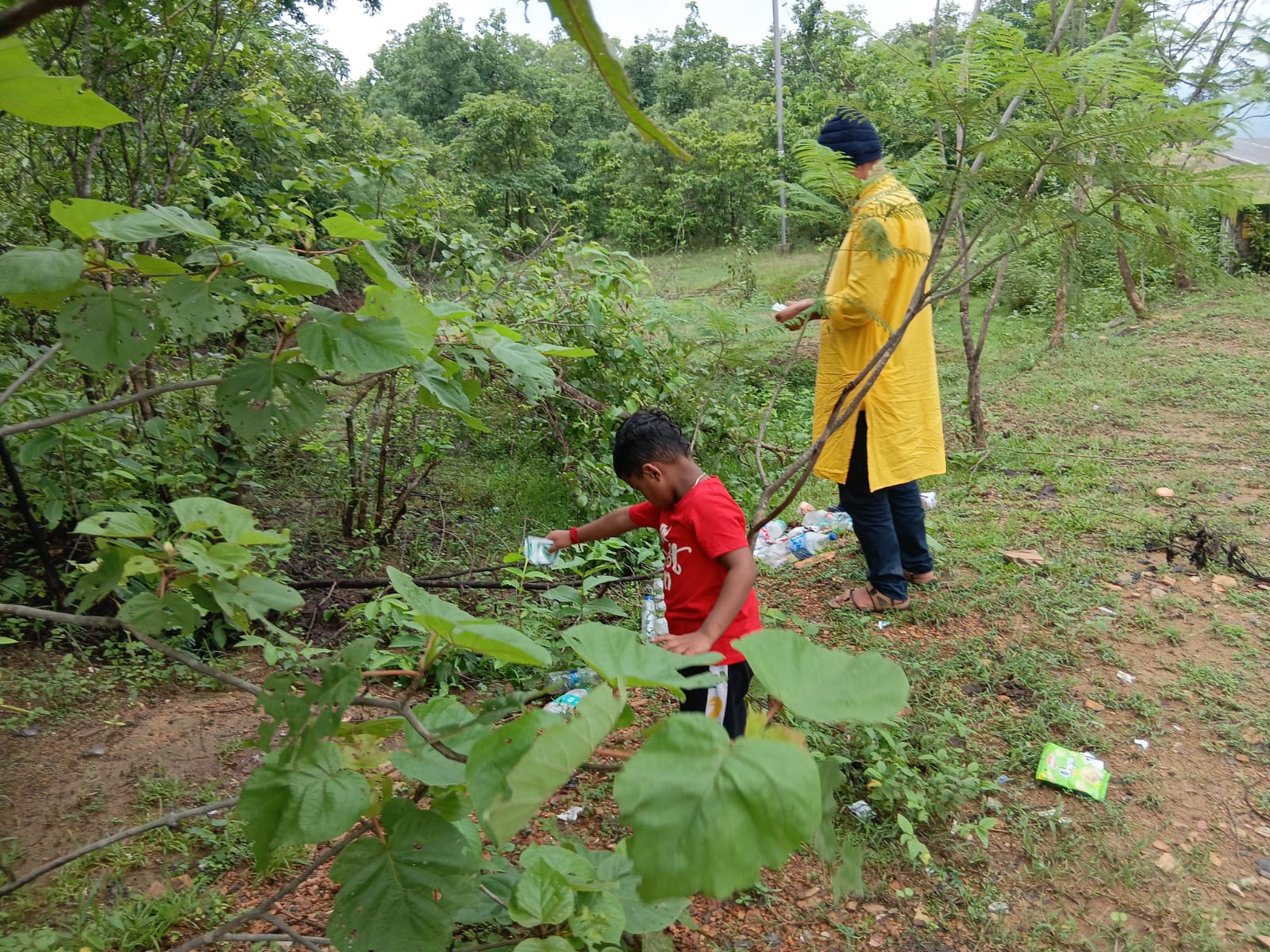
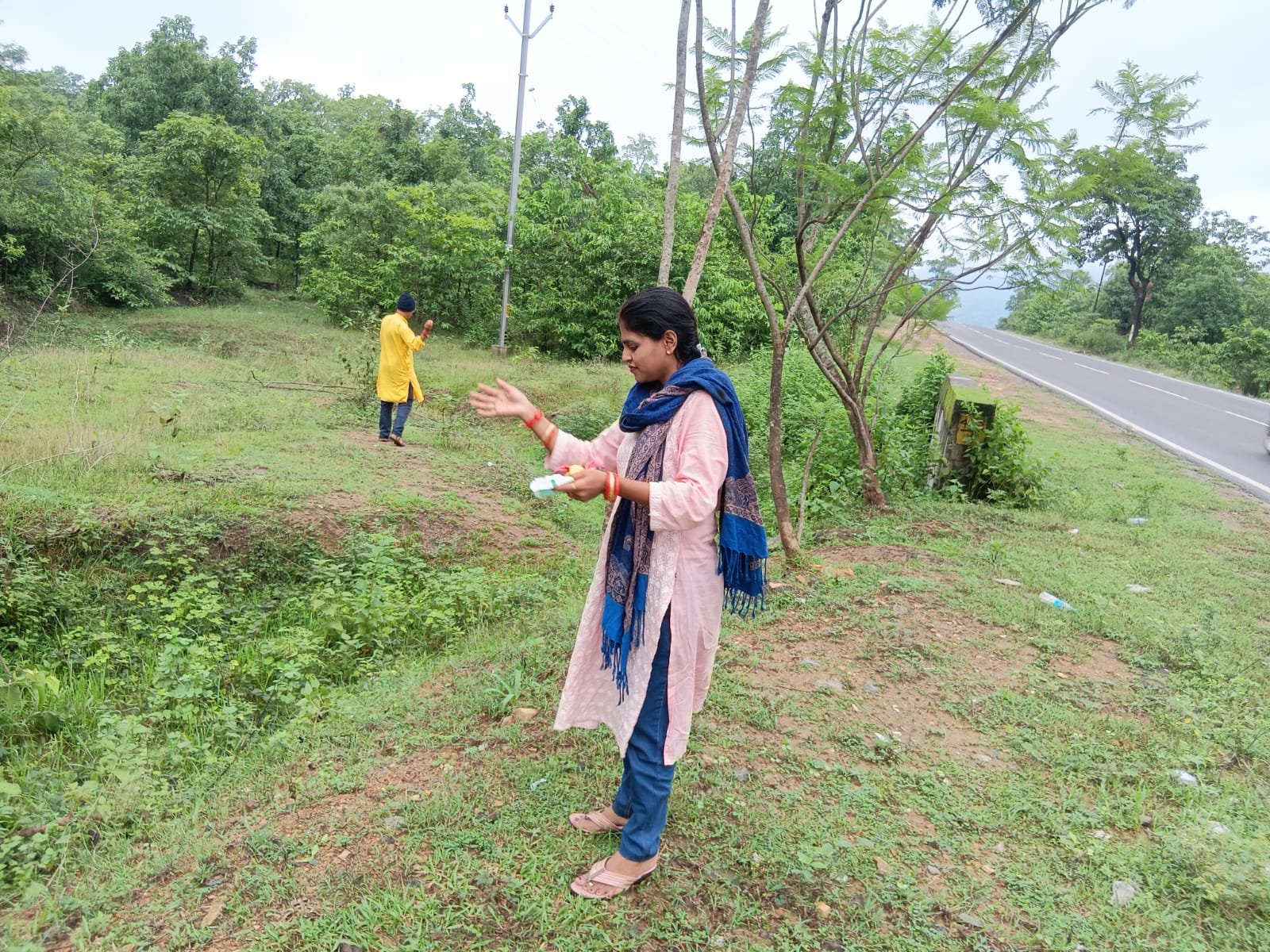
Field Gallery & Media