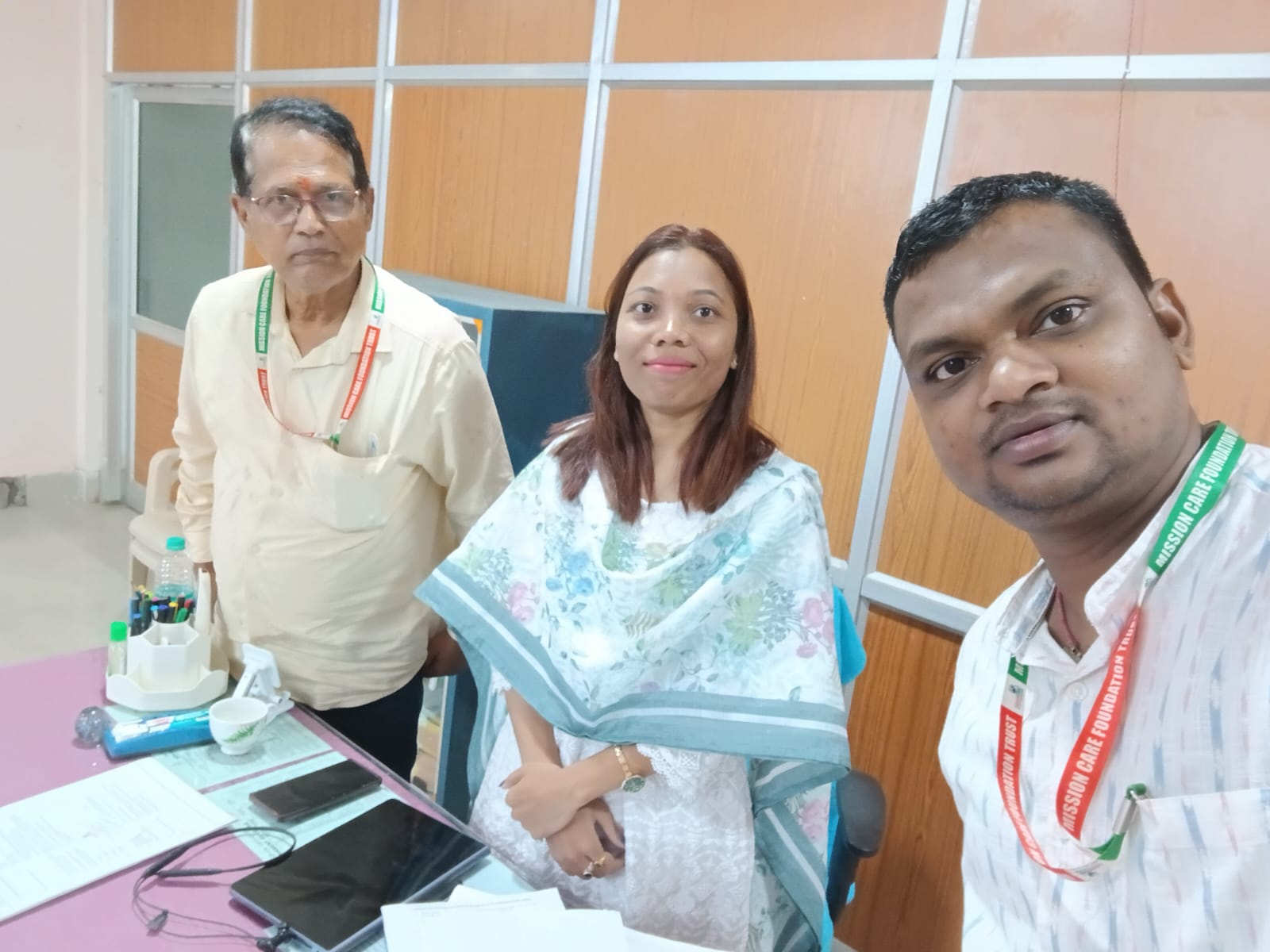
Koraput & Malkangiri Districts, Odisha
24th – 25th March 2025
Visiting Team & Delegation
Mr. Ramesh Chandra Samal (Senior Advisor-cum-Managing Director)-MCIF
Mrs. Chinmayee Das (Director-cum-Secretary)-MCIF
Mr. Manoj Kumar Das (Director-cum-President)-MCIF
Mr. Manoj Kumar Pattnaik (District Head of MCIF, Koraput)
Field Report & Case Study Document Details
CASE STUDY & EXPOSURE VISIT
CASE STUDY & EXPOSURE VISIT REPORT
MISSION4CARE INDIA FOUNDATION (MCIF)
Koraput & Malkangiri District Visit, Odisha
Mr. Ramesh Chandra Samal (Senior Advisor-cum-Managing Director)-MCIF
Mrs. Chinmayee Das (Director-cum-Secretary)-MCIF
Mr. Manoj Kumar Das (Director-cum-President)-MCIF
Visit Dates: 24th – 25th March 2025
Introduction
Mission4Care India Foundation (MCIF) organized a field visit and case study programme to Koraput and Malkangiri districts of Odisha to review ongoing developmental activities, interact with local communities, assess grassroots challenges, and explore opportunities for future interventions.
A five-member team, comprising the President, Editor, and two members of the Advisory Board, including the undersigned, commenced the journey from Bhubaneswar on the night of 23rd March 2025 by bus.
The team reached Semiliguda at around 7:30 AM on 24th March 2025, where they were received by Mr. Manoj Kumar Pattnaik, District Head of MCIF, Koraput, and escorted to the Mission4Care Foundation Trust Office at Sunabeda.
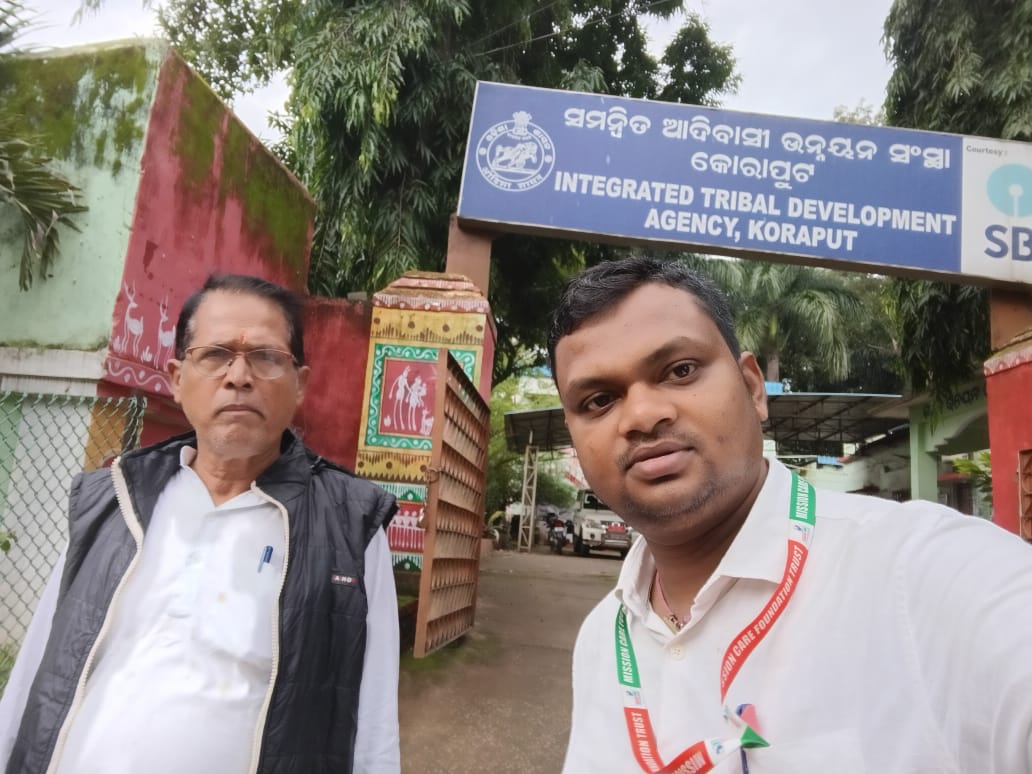
Visit to District Headquarters, Koraput
After completing office formalities at Sunabeda, the team proceeded to the district headquarters, Koraput.
The delegation met Mrs. Pushpanjali Pattnaik, District Social Welfare Officer, Koraput, and discussed various social welfare programmes being implemented in the district. During the meeting, a memorandum was submitted requesting the inclusion of MCIF volunteers in various government-sponsored welfare and developmental programmes for better community outreach and service delivery.
Field Visit to Kunduli Gram Panchayat
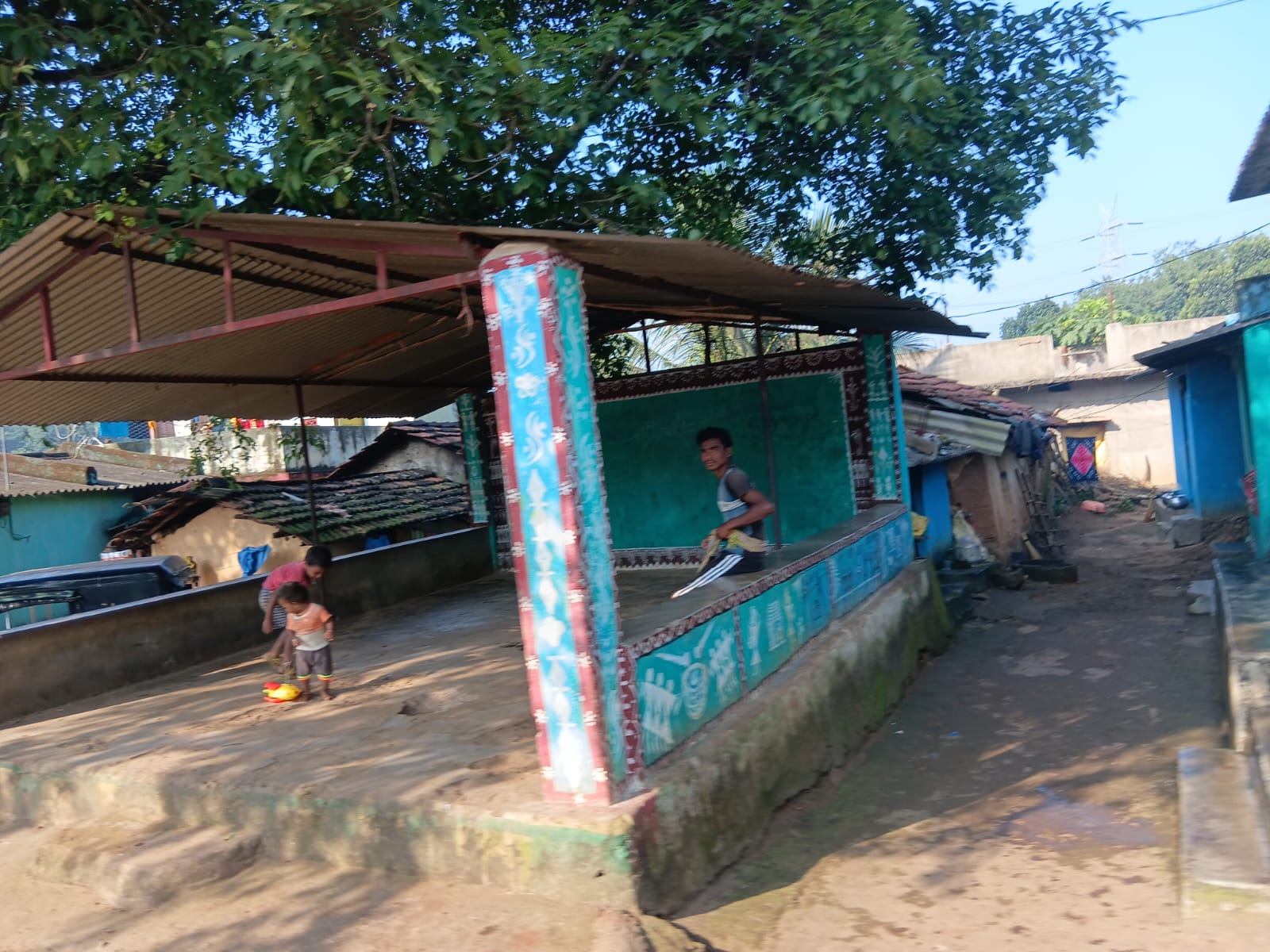
The team visited Kunduli Gram Panchayat and interacted with local farmers and residents regarding agricultural practices and language-related issues.
Key Observations:
• Farmers primarily cultivate paddy and turmeric.
• Livelihoods are supplemented through:
o Indigenous poultry farming
o Goat rearing
o Cattle farming
o Collection and sale of forest produce
The interaction provided valuable insights into the socio-economic conditions of tribal communities residing in the region.
Visit to Deomali Region
The team then travelled to Deomali, located approximately 23 km from Kunduli.
Major Findings:
• Farmers cultivate vegetables near natural streams and water sources.
• Water scarcity remains a major concern for agricultural expansion.
• Discussions were held with villagers regarding sustainable water management and irrigation facilities.
En route, the team also visited Bad Marla and Tumuriguda villages and interacted with local communities.
Visit to Kotia Deuli Hill
The delegation proceeded to Kotia Deuli Hill, situated at an elevation of approximately 1,662 metres above sea level.
Environmental Initiatives Observed:
• Around 600 pine saplings have been planted on the hill.
• The plantation programme is being implemented by the Koraput Forest Division.
• The initiative has been undertaken under the approval of the Forest,
Environment and Climate Change Department, Government of Odisha.
The hill offers breathtaking natural beauty and immense ecological significance.
Visit to Chitrakonda Block, Malkangiri District
Block: Chitrakonda
District: Malkangiri
State: Odisha, India
The team visited Chitrakonda, one of the most picturesque and environmentally rich regions of southern Odisha.
Natural Beauty
The area is blessed with:
• Scenic hill ranges
• Fresh and clean atmosphere
• Dense greenery
• Panoramic views of nature
Visitors can experience a sense of serenity and harmony amidst the natural surroundings.
Environmental Awareness and Cleanliness Drive
During the visit, the team noticed that tourists had discarded plastic bottles and other waste materials across the area.
To promote environmental responsibility, the team:
• Collected and cleaned the scattered waste.
• Filled an entire sack with plastic and other litter.
• Conducted an awareness meeting with local tribal residents.
• Encouraged community participation in maintaining cleanliness.
• Distributed waste collection bags for future use.
Distribution of Vegetable Seeds
As part of MCIF's livelihood promotion initiative, the organisation's Editor, Mrs. Chinmayee Das, distributed vegetable seeds among local tribal families to encourage kitchen gardening and nutritional security.
Night Halt at Semiliguda
After completing the day's programme, the team returned to Semiliguda Block.
The team reached the accommodation facility at approximately 9:30 PM and rested in preparation for the next day's field activities.
Agricultural Assessment Visit – 25th March 2025
On 25th March 2025, the team resumed its field programme focusing on farmers' issues and agricultural development.
The delegation travelled to Jeypore to meet the Chief District Agriculture Officer (CDAO), Koraput, Mr. Gokulananda Pradhan.
However, due to his official engagements outside the office, the team interacted with other departmental officials and discussed:
Key Agricultural Concerns:
• Irrigation challenges
• Availability of quality seeds
• Government support schemes
• Market access for farmers
• Promotion of vegetable cultivation
• Tribal farmer empowerment initiatives
The discussions aimed to identify possible areas where MCIF could collaborate with government departments for the benefit of farming communities.
Overview of Malkangiri District
Malkangiri District, adjoining Koraput District, consists of the following seven administrative blocks:
1. Malkangiri
2. Mathili
3. Khairput
4. Chitrakonda
5. Korukonda
6. Kalimela
7. Podia
These blocks are predominantly tribal areas and require continued support in the sectors of agriculture, education, healthcare, livelihood generation, environmental conservation, and community development.
Conclusion
The exposure visit provided a valuable opportunity to understand the ground realities of Koraput and Malkangiri districts. The team observed the challenges faced by farmers and tribal communities, including water scarcity, livelihood constraints, environmental concerns, and access to government services.
The visit also highlighted the immense potential for community-driven development through agriculture, environmental conservation, volunteer engagement, and capacity-building initiatives.
Mission4Care India Foundation remains committed to working in partnership with government departments, local communities, and volunteers to promote sustainable development and improve the quality of life of marginalized populations in these districts.
Field Gallery & Media